



What Happens If You Don’t Clean Your Gutters? (And Why It Could Cost You More Than You Think)
Updated July 2026, By Kyle Greer | 5 ⭐ Rated from 360+ Google Reviews
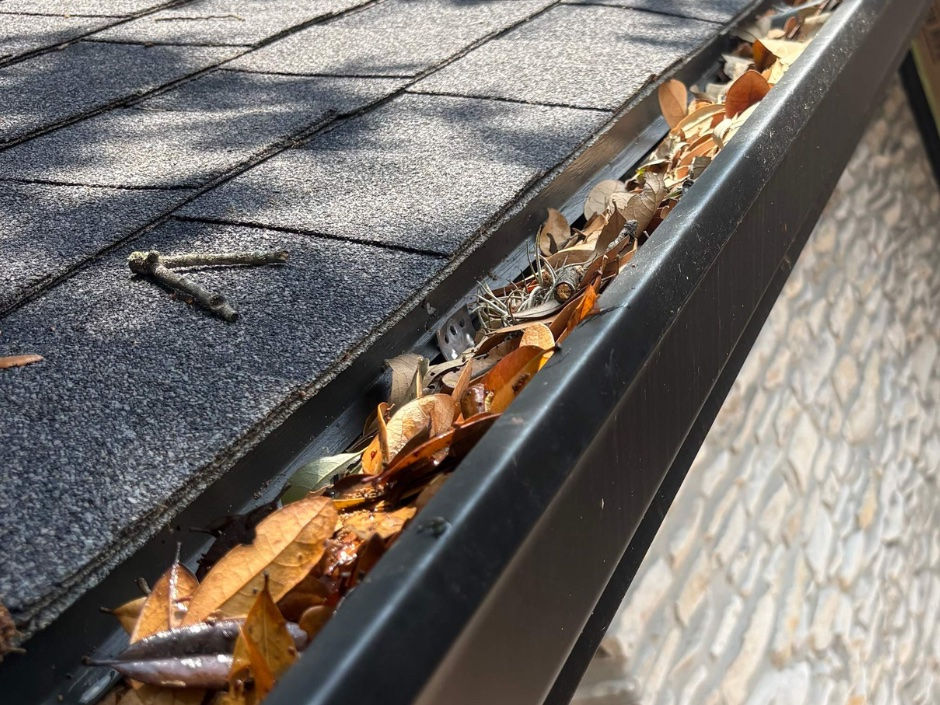
Skipping gutter cleaning doesn't just mean more leaves in your yard. Clogged gutters can lead to roof and fascia damage, foundation erosion, siding rot, mosquito breeding, and a shortened gutter lifespan, and in Central Texas, where storms hit hard and fast, the damage adds up quicker than most homeowners expect.
In Central Texas, we know how quickly a pop-up storm or heavy rain can roll through. Your gutters may not be top of mind, but they play a critical role in protecting your home. When they're working properly, gutters move rainwater safely away from your roof, siding, and foundation. But when they get clogged with leaves, roof grit, or debris, water has nowhere to go, and that can lead to some expensive damage.
Water Damage to Your Roof and Fascia
When gutters are full, rainwater backs up and spills over instead of draining like it should. That water can creep under your shingles and damage the edge of your roof. It also soaks into the fascia, the wood trim behind the gutters, which can warp, rot, and weaken over time.
This isn't a minor cosmetic issue. According to the USDA Forest Service's Forest Products Laboratory, roughly 10% of the annual timber cut in the United States goes toward replacing wood in homes that's decayed from moisture damage, and trapped water behind clogged gutters is exactly the kind of prolonged moisture exposure that accelerates it. Eventually, you could end up with roof leaks, structural wood rot, and costly repairs.
Foundation Problems
Gutters are designed to direct water away from your home's foundation. But when they're clogged, water spills straight down, soaking the soil around your home. In Central Texas, this can lead to soil erosion and foundation movement, a risk well documented in University of Texas at Austin research on expansive clay soils, since our region's clay-heavy soil is especially sensitive to repeated moisture changes. Over time, your home could shift or develop cracks, and fixing foundation issues can easily cost thousands.
Rotten Siding and Exterior Damage
When water runs over the edge of clogged gutters, it doesn't just disappear. It splashes down the sides of your home, soaking siding, window trim, and exterior surfaces. That constant moisture leads to mildew, peeling paint, wood rot, and water stains. It hurts your curb appeal and your budget.
Pest and Insect Problems
Standing water in clogged gutters makes the perfect breeding ground for mosquitoes, something Central Texans already battle during the warmer months. This isn't just a nuisance claim, the EPA specifically names clogged rain gutters as one of the most commonly overlooked residential mosquito breeding sites, right alongside items like old tires and clogged drains.
Damp debris also attracts ants, roaches, birds, and even rodents looking for a place to nest. Once they settle into your gutter system, it's a short trip into your attic or walls.
Landscape Damage
When water overflows from your gutters, it can hammer the ground below with surprising force. That runoff can wash away mulch, dig trenches through flower beds, and drown plants. All that time and money spent on your landscaping can be ruined in a single season of neglect.
Shortened Gutter Lifespan
Debris adds weight to your gutters, causing them to sag, pull away from your roofline, or even collapse. The trapped moisture also speeds up corrosion in older systems. Regular gutter cleaning helps your gutters last longer and perform like they should.
Skipping gutter cleanings might save you a weekend chore, but it could cost you big in the long run. In Central Texas, we recommend cleaning your gutters at least twice a year, usually in the spring and fall. If your home is surrounded by oak trees, or you've had a stormy season, aim for four cleanings per year, ideally at the start of each season.
If you're finding your gutters clog again almost immediately after a cleaning, that's usually a sign of a bigger issue, see our post on why that happens and what to do about it. In some cases, gutter protection systems can cut down how often cleaning is needed in the first place, especially on homes surrounded by heavy oak or cedar tree coverage.
Frequently Asked Questions
How often should gutters be cleaned in Central Texas?
At least twice a year, in spring and fall. Homes surrounded by oak or cedar trees, or that experienced a particularly stormy season, should aim for four cleanings a year.
Can clogged gutters really cause foundation damage?
Yes. When gutters overflow, water pools directly against the foundation instead of draining away, which can erode soil and contribute to foundation movement, a particular risk in Central Texas due to the region's expansive clay soil.
Do clogged gutters actually attract mosquitoes?
Yes. The EPA specifically identifies clogged rain gutters as a commonly overlooked mosquito breeding site, since standing water is exactly what mosquitoes need to lay eggs.
What's the first sign my gutters need cleaning?
Visible debris spilling over the edge during rain, water marks on the siding below the gutter line, or plants noticeably overflowing from the gutter itself are all common early signs.
Ready to Get Clean and Clear?
Let us handle the dirty work. Our professional gutter cleaning service keeps your home protected and your gutters flowing like they should, across our full Central Texas service area.
Call or request your quote online to schedule your gutter cleaning today.


Comments